
Image

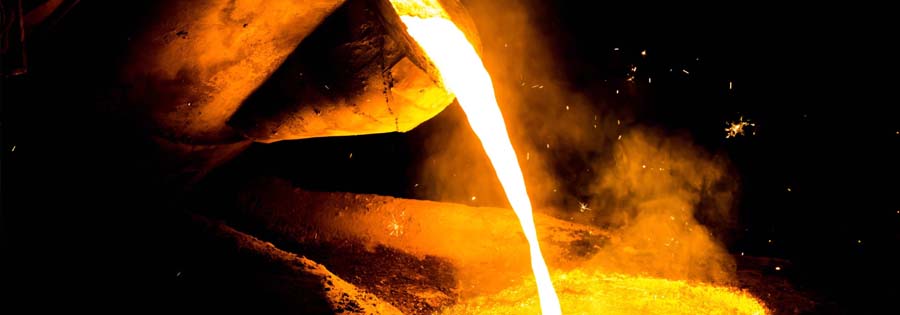
Die casting is a metal-forming process in which molten metal is poured into a mold to create components characterized by high precision, intricate detail, and precise fits suitable for functional use. Die-cast parts find widespread use in industries such as automotive, aerospace components, power equipment, lighting, firearms, and various other sectors.

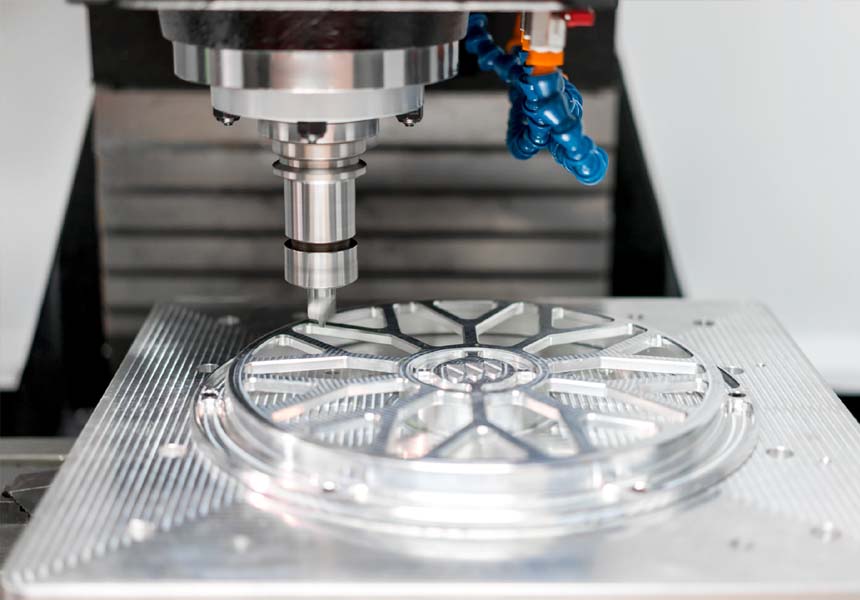
After die-casting a component, further refinement can be achieved through CNC machining. Surface finishes are often applied using processes such as shot-blasting, texturing, plating, and painting.

ORDER YOUR CUSTOM DIE CAST COMPONENTS

Our team's expertise in tool design, coupled with the utilization of industry-leading software and mold flow analysis tools, guarantees the production of top-notch die-cast parts. We cater to both high-volume production and short-run batch production (soft-tooling).


Image
Image

DIE CASTING PROCESSES AND MACHINES

Each casting process presents diverse advantages. We assist our customers in choosing the optimal process, considering factors such as annual volume, part size, weight, geometry, and surface finish requirements.

Alphawerk utilizes several prevalent die casting processes, including High-Pressure Die Casting (HPDC), Low-Pressure Die Casting (LPDC), and Gravity Die Casting (GDC). Each of these processes is also compatible with the semi-permanent casting process, which involves the use of one or more sand cores to shape internal passages within the produced die-cast component.

Image

DESIGN FOR MANUFACTURING EXPERTISE

Upon receipt of your purchase order, we will initiate a formal Design for Manufacturability (DFM) review in collaboration with you and your team. This critical step aims to optimize the design, proactively preventing issues, minimizing production time, and ensuring that the investment casted components align with your design and performance criteria.


Image

FAIR APPROVAL

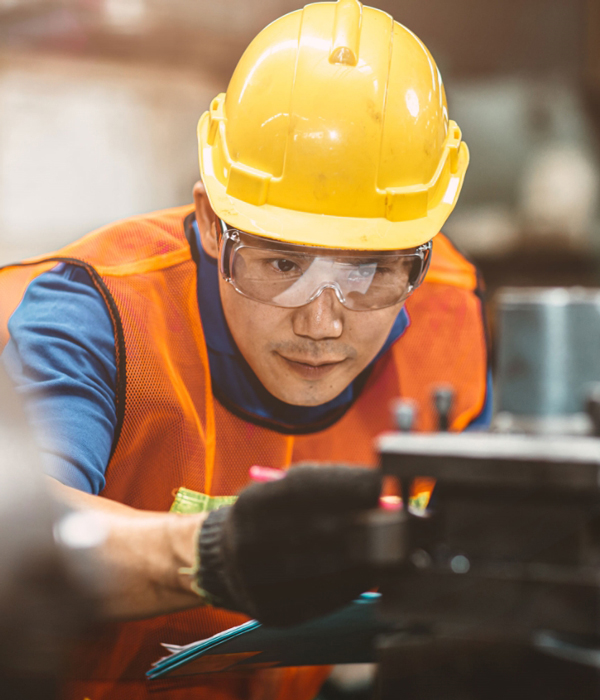
The inclusion of a First Article Inspection Report (FAIR) is integral to a comprehensive product development program. Conducting meticulous inspections is crucial to prevent the occurrence of out-of-tolerance components and the need for rework in stamped parts. Alphawerk's process integrates this indispensable step, providing you with full confidence in the quality of the parts you receive.

Image

MANAGED INVENTORY FOR JIT

The events unfolding globally in the early 2020s have highlighted the significance of effective inventory management and resilient supply chains. The conventional just-in-time (JIT) approach may limit your capacity to respond swiftly to market or order fluctuations. Establishing a globally connected supply partner emerges as an effective strategy for fortifying resiliency and diversifying sources of supply.