
Image

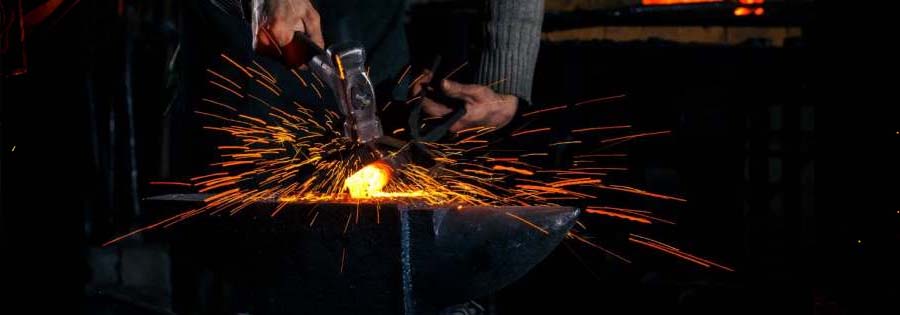
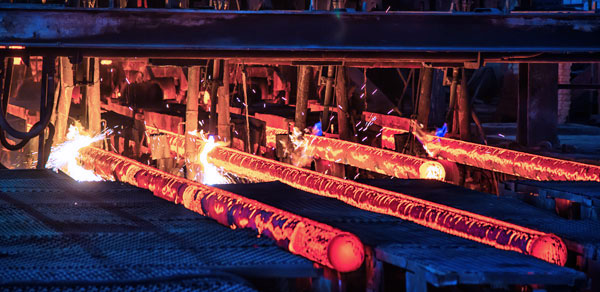
The forging manufacturing process involves subjecting metal to intense localized pressure through hammering, pressing, or rolling. This results in the formation of high-strength components commonly referred to as forgings.

Forged parts exhibit superior strength compared to components manufactured through alternative processes and are frequently employed in applications where strength, reliability, and safety are paramount. Alphawerk possesses extensive expertise in forging high-quality and highly specialized rings, particularly for wind turbine towers and other industrial applications.

START YOUR FORGING PROJECT TODAY

Alphawerk excels in the rapid and efficient design and production of forged components. Leveraging our team's proficiency in tool design and the utilization of industry-leading software, we ensure that production tools yield precisely crafted, high-quality components. With our global plants, we can swiftly prototype and manufacture components in various materials. Our fully machined forgings come with comprehensive documentation before shipping, ensuring they arrive line-ready at your facility.

Although cold forging has some drawbacks, it is generally considered superior to hot forging in terms of dimensional control, product uniformity, surface finish, and contamination. However, it is not suitable for very strong metals, such as steel with high carbon content. Common materials used in cold forging include lower-alloy and carbon steels, as well as alloys of aluminum, brass, and bronze.

Image


Image

TOOLING DESIGN

Tooling design stands as a crucial optimization step capable of enhancing the efficiency of manufacturing injection molded components. This design process takes into account manufacturing tolerances and factors in typical wear stemming from usage, contributing to improved speed in the production process.


Image

FAIR APPROVAL

A first-article inspection report (FAIR) constitutes a fundamental aspect of any comprehensive product development program. Rigorous inspections are crucial to prevent out-of-tolerance components and the need for rework in stamped parts. Alphawerk's process integrates this essential step, instilling complete confidence in the quality of the parts you receive.

Image

MANAGED INVENTORY FOR JIT

The events unfolding globally in the early 2020s have underscored the significance of inventory management and the resilience of supply chains. The conventional just-in-time (JIT) approach can strain your capacity to respond to market or order fluctuations. Establishing a globally connected supply partner proves to be an effective strategy for enhancing resiliency and establishing a multi-source supply.