
Image

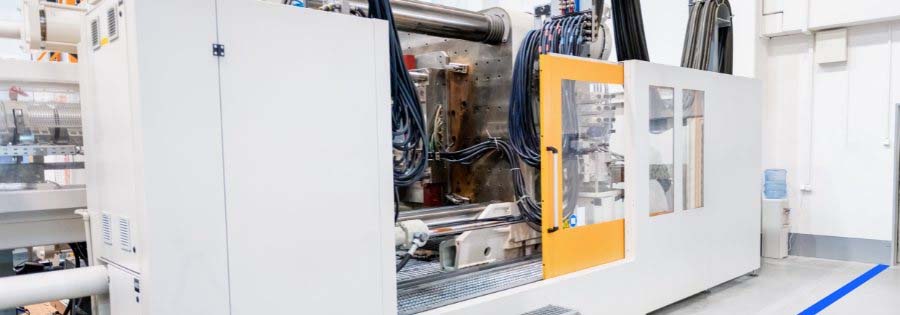
Alphawerk provides efficient, dependable, and budget-friendly injection molding solutions. Injection molding is a manufacturing method that employs pressure to push melted plastic into molds, yielding functional parts. These components, produced en masse, come in a range of plastic materials. The quantity of parts can span from a few thousand to millions, contingent on the type of tool used. These injection molded parts find applications across diverse industries, such as automotive, consumer goods, and medical devices.

Injection molding has the capability to manufacture parts in a diverse array of sizes and complexities. The process excels in capturing small features, intricate geometries, and thin walls effortlessly. Additionally, injection-molded components offer flexibility in post-processing through various surface finishing options, including painting and texturing.

  • Thin wall components
  • Back injections
  • Un screwing
  • In visible parting line
  • Chrome plating
  • IMD
  • Hot foil

START MANUFACTURING YOUR CUSTOM INJECTION-MOLDED PRODUCTS

Our company specializes in crafting bespoke injection-molded parts to meet the unique needs of our clients across various applications. The standard timeframe for producing production tools is typically three to four weeks. Following this, we will provide you with a set of First Article Inspection and Approval Run (FAIR) samples for your evaluation and approval. Upon receiving the green light for the initial tooling, we proceed to manufacture custom parts precisely tailored to the specifications of your project.

ALPHAWERK HAS COMPLEX MOLDING & TOOLING POTENTIALS

Alphawerk boasts an extensive array of specialized tools and molding capabilities, enabling the construction of intricate and complex products.

Image


INSERT MOLDING

Alphawerk produces numerous injection-molded components that incorporate embedded metal parts, such as screws and bolts. This innovative approach eliminates the requirement for separate fasteners, enhancing both strength and application speed.

OVERMOLDING

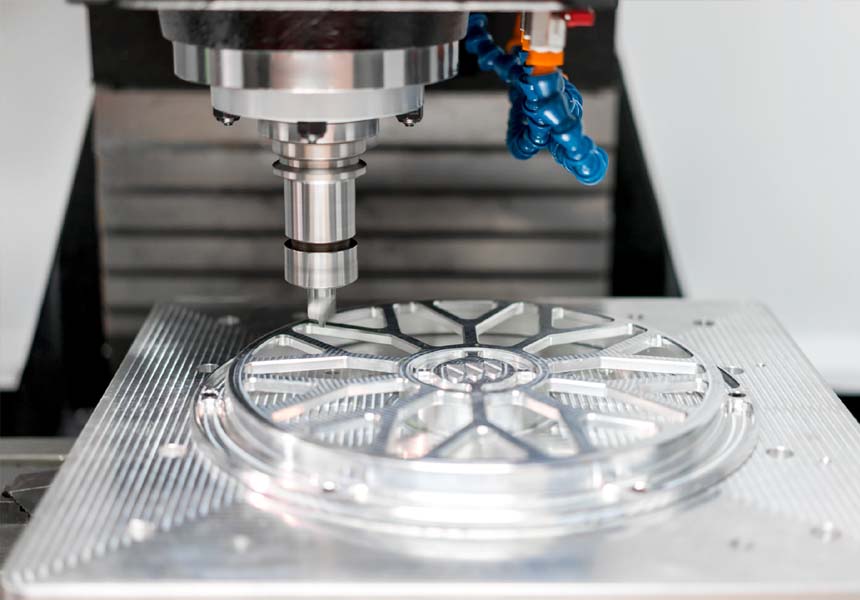
Overmolding is a manufacturing technique where plastic is molded over another pre-existing component. The initial component is crafted within an injection mold and subsequently introduced into a second mold to apply the overmolded material. This method is crucial for creating parts with intricate and complex geometries.

2K MOLDING

2K injection molding is employed for plastic components that necessitate the integration of two distinct colors or materials.

MULTI-CAVITY MOLDS
(UP TO 128 CAVITIES)

Alphawerk is capable of manufacturing parts using multi-cavity molds, enhancing production speed and reducing the required number of production shots.

THREE-PLATE CONSTRUCTION (STRIPPER OR RUNNERPLATE)

Alphawerk has the capability to manufacture parts using three-plate construction, a method that can substantially decrease cycle time by eliminating the necessity for hot runner molds. This construction type provides improved control over the parting line and minimizes wear caused by the repeated opening and closing of the mold.

TWO-PLATE CONSTRUCTION

For the production of straightforward part designs, opting for two-plate construction molds proves to be a more suitable choice. Two-plate construction molds are well-matched for simpler designs compared to their three-plate counterparts.

Image

TOOLING DESIGN

Tooling design stands as a crucial optimization step capable of enhancing the efficiency of manufacturing injection molded components. This design process takes into account manufacturing tolerances and factors in typical wear stemming from usage, contributing to improved speed in the production process.

Image

FAIR APPROVAL

A first-article inspection report (FAIR) constitutes a fundamental aspect of any comprehensive product development program. Rigorous inspections are crucial to prevent out-of-tolerance components and the need for rework in stamped parts. Alphawerk's process integrates this essential step, instilling complete confidence in the quality of the parts you receive.

Image

MANAGED INVENTORY FOR JIT

The events unfolding globally in the early 2020s have underscored the significance of inventory management and the resilience of supply chains. The conventional just-in-time (JIT) approach can strain your capacity to respond to market or order fluctuations. Establishing a globally connected supply partner proves to be an effective strategy for enhancing resiliency and establishing a multi-source supply.